
Why Automation Liberates—Not Replaces—Your Team: A Fresh Take
Ever paused to think how many hours a week your team spends on work that could be described as... well, dull? A few years back, a friend confessed, over a very ordinary sandwich lunch, that her Mondays vanished into the black hole of 'admin catch-up'. She wasn't lazy; she was drowning in repetitive tasks. Funny thing is, she genuinely wanted to focus on the creative, big-picture work she’d signed up for. Sound familiar? Let’s unravel why automation isn’t a team terminator, but a liberator—lifting folks out of tedious loops to let them do their best thinking.Myth-Busting: Automation as the Villain?Let's be honest. When someone mentions "workplace automation," most people's minds dart straight to redundancy notices and farewell cards. It's the corporate bogeyman lurking in quarterly meetings.But what if we've got it all wrong?The Real Face of AutomationMany people assume automation equals job losses—let's scrap that myth. The reality is far more nuanced. Most business automation systems, including ThriveHub's solutions, aren't designed to replace entire roles but to handle the mind-numbing repetitive tasks that nobody enjoys doing anyway.Think about it.Employees spend a staggering 20-40% of their work time on repetitive tasks. That's nearly half a work week spent copying data, sending templated emails, and updating spreadsheets. Tasks that drain energy faster than your mobile phone battery on a busy day.The fear isn't about automation; it's about relevance in an evolving workplace.Liberation, Not ReplacementConsider Rachel, a marketing coordinator who previously spent 15 hours weekly manually assigning new leads to sales reps, sending welcome emails, and updating the CRM. After implementing basic automation:Lead assignment happens instantly based on territory rulesWelcome emails dispatch automatically with personalised contentContact records update without human interventionHas Rachel been replaced? Quite the contrary. She now dedicates those recovered hours to developing deeper customer insights and creative campaign strategies—work that actually utilises her marketing expertise.The Creativity ConnectionRoutine work doesn't inspire or motivate; freeing up time makes space for creativity, connection, and growth. Most employees don't dream of data entry excellence. They aspire to solve problems, build relationships, and create meaningful work.When comparing the time saved on daily admin versus time gained for impactful projects, the maths becomes compelling. Those 10-15 hours weekly translate to:Developing new customer engagement strategiesAnalysing trends that competitors might missBuilding stronger relationships with clients and colleaguesLearning new skills that drive career growthAutomation isn't about replacing humans—it's about making work more human. By handling the repetitive tasks that computers excel at, we create space for the creative thinking, emotional intelligence, and complex problem-solving that humans do best.The villain isn't automation. It's the outdated belief that busy work equals productive work.Meet Jade: From Lead Juggler to Team DynamoPicture this: stacks of unprocessed leads, endless form submissions, and a perpetually full inbox. That was Jade Tomlinson's daily reality as a sales coordinator at Bright Marketing Solutions.The Daily Grind Before AutomationEvery morning, Jade would arrive at her desk and immediately dive into a sea of new enquiries. Her routine was mind-numbingly predictable:Manually logging each new lead into their databaseTagging enquiries based on source and interestCrafting individual acknowledgment emailsCreating opportunity records with contact details"It was a colossal time-sink," Jade admits. "I'd spend nearly four hours daily just processing new leads—leaving precious little time for actual sales coordination."Sound familiar? Many businesses still trap their talented team members in these administrative quicksands.The Automation RevelationEverything changed when Bright Marketing implemented ThriveHub's automation system. The transformation was immediate and profound.Now, when a potential client submits an enquiry form:They receive an instant, personalised acknowledgmentTheir details are automatically logged in the CRMAppropriate tags are applied based on form responsesNew opportunities are created with all relevant informationThe best part? Jade didn't lose her job to these automations—quite the opposite.The Ripple EffectJade's transformation from lead processor to strategic dynamo highlights an essential truth: automation isn't about replacing humans—it's about unleashing them.By removing the repetitive workload from Jade's plate, ThriveHub's automation tools didn't just save time; they fundamentally shifted how she contributed to the company's success.Her skills weren't replaced—they were finally being properly utilised.Responsible Automation: It's How You Use ItWhen most people hear "automation," they either picture robot overlords or empty offices. But that's not really what it's about, is it?Responsible automation isn't about replacing your team—it's about liberating them from the mundane. It's rather like having a personal assistant who handles all the boring bits while you focus on what you're actually good at.Spotlight Your Team's Unique SkillsAutomation shouldn't bulldoze unique team skills; instead, it can spotlight them. Take Sarah, a customer service manager at a growing retail company. Before implementing automated responses, she spent hours sorting through basic enquiries."I was drowning in password reset requests," she admits. "Now those are handled automatically, and I can focus on the complex customer issues where my experience actually matters."This is what responsible automation looks like—it removes the repetitive so the remarkable can shine.Smart Delegation, Not Workplace AnaesthesiaIt's about smart delegation to technology—not anaesthetising the workplace. When you delegate routine tasks to automation, you're not making the workplace "numb"—you're making it more human.It's not about forcing your team to work around technology's limitations, but designing systems that enhance human capabilities.No Tech Degree RequiredThriveHub's all-in-one CRM offers drag-and-drop automation, so each team can tailor workflows without a tech degree. This democratisation of technology means:Marketing teams can automate lead nurturing sequencesSales representatives can trigger automatic follow-upsCustomer service staff can implement ticket routing systemsThe beauty lies in letting the people who understand the work design the automation. When your sales team designs their own lead qualification automation, they maintain control over their process while eliminating tedious data entry.Building Trust Through ChoiceResponsible tech adoption lets staff design what gets automated, maintaining control and trust. When teams choose what to automate rather than having it imposed, morale and effectiveness actually increase.With ThriveHub's flexible tools, automation fits around people, not the other way round. This means maintaining team autonomy and workflow personality, letting people shine in their strongest roles.Perhaps most importantly, responsible automation preserves the human touch where it matters most. Customer relationships, creative problem-solving, and strategic thinking remain firmly in human hands—just with fewer distractions.The question isn't whether to automate—it's how to do it thoughtfully. And that makes all the difference.Connecting the Dots: Routine, Revamped, and Ready for the FutureEver watched a brilliant stage performance and wondered how everything moved so seamlessly? The actors deliver their lines perfectly while scenery shifts and lighting changes—all without missing a beat. What you don't see is just as important as what you do.The Invisible EnablersAutomation in business works much the same way. The real superpower of automation isn't replacing people—it's letting good people do great work. When Sarah, a marketing manager at a growing tech firm, found herself drowning in manual lead responses and data entry, she wasn't fulfilling her potential. Her creative campaigns sat unfinished while she copied and pasted responses to form submissions.As Daniel Yu, Business Strategist, wisely puts it:"Automation won't replace people. It'll make them irreplaceable."After implementing automated workflows, Sarah's mornings transformed. Rather than sorting through overnight enquiries, she arrives to find:New leads automatically tagged and categorisedInitial responses already sent with relevant informationFollow-up tasks created and assigned to the right team membersBehind the CurtainLet's stop giving robots the scary soundtrack—think of them as your backstage crew. They're not stealing the show; they're making sure you can shine in yours.ThriveHub's all-in-one CRM takes away the grunt work, letting teams focus on what's next. It's like having that perfect theatre crew—unseen but essential, ensuring everything runs smoothly while the stars (that's you and your team) dazzle the audience.The Human Element, EnhancedWhen routines become invisible, human strengths become visible. For Sarah, automation didn't diminish her role—it elevated it. She now spends her time:Developing more personalised follow-up strategiesAnalysing campaign performance more deeplyCollaborating with sales on qualified leadsThe conversations with prospects improved as well. Instead of generic replies, Sarah and her team now engage with context and insight—because they have the time to actually read and consider each inquiry properly.Ready for TomorrowResponsible, thoughtful automation prepares businesses for agile, human-led growth. ThriveHub's automation means more time for innovation and team connection—robots aren't the main act, they're the enablers.As we look to the future, perhaps the question isn't whether automation will replace us, but rather: What amazing things will we accomplish once we're freed from the routine? The answer, I think, is waiting to be written by people like Sarah—and perhaps by you, too.TL;DR: Automation isn't about making people redundant—it's about freeing them to do the work that matters. With tools like ThriveHub’s all-in-one CRM, responsible automation means your team can focus on meaningful tasks, transforming routine into opportunity.
Oliver Martin
May 16, 2025 • 8 Minutes Read


May 16, 2025
Revitalize Your Business: Mastering Database Reactivation with Email Marketing
Imagine sending out a simple email to your past clients, and suddenly, you have a surge of interest and sign-ups for your webinar. This is the power of effective database reactivation! It's not just about sending emails; it's about building genuine connections and offering real value. In this post, we'll explore how leveraging email marketing can breathe new life into your old contacts and turn passive subscribers into active participants. Understanding Database Reactivation What is Database Reactivation? Database reactivation is the process of reaching out to previous clients or leads who haven't engaged with your business recently. Think of it as a friendly nudge to remind them of your services. It’s like sending a postcard to an old friend, saying, “Hey, remember me?” When you reactivate your database, you’re not just sending out random emails. You’re strategically reaching out to those who once showed interest in your offerings. This could be through newsletters, special offers, or even invitations to events. The goal is to rekindle that spark of interest. Benefits of Re-engaging Past Customers Re-engaging past customers can bring numerous benefits to your business. Here are a few key points: Increased Revenue: It’s often cheaper to retain existing customers than to acquire new ones. By reaching out, you can encourage repeat purchases. Enhanced Brand Loyalty: Regular communication can strengthen relationships. As the saying goes, “Out of sight, out of mind.” Keep your brand in their minds. Valuable Feedback: Past customers can provide insights into your products or services. Their feedback can help you improve. As an industry expert once said, “Engaging with past clients can reignite business growth and improve brand loyalty.” This highlights the importance of maintaining those connections. The Importance of GDPR Compliance When you consider database reactivation, you must also think about GDPR compliance. This is crucial. You can’t just send emails willy-nilly. You need to ensure that your outreach is legal and ethical. GDPR, or General Data Protection Regulation, is a set of rules designed to protect personal data. Here’s what you need to keep in mind: Consent: Always ensure you have permission to contact your past customers. This means they should have opted in to receive communications from you. Transparency: Be clear about why you’re reaching out. Let them know what they can expect from your emails. Easy Opt-out: Make it simple for them to unsubscribe if they choose to. This builds trust and shows you respect their preferences. Reaching out legally and ethically under GDPR regulations is a must. It’s not just about avoiding fines; it’s about building a trustworthy relationship with your audience. Revitalising Communication Database reactivation focuses on revitalising your communication with previous contacts to foster renewed interest. You can do this through various methods, such as: Sending a friendly check-in email. Offering exclusive deals or content, like webinars. Providing valuable resources that align with their interests. For instance, consider scheduling an email marketing campaign to all those who stayed subscribed. You could invite them to a webinar where they can learn something new and receive a freebie. This not only adds value but also encourages engagement. Tools like ThriveHub and ThriveWebinar can make this process seamless. ThriveHub manages your CRM, email marketing, and payments, while ThriveWebinar is essential for hosting engaging webinars. Together, they can help you create a powerful reactivation strategy. So, are you ready to reconnect with your past customers? It’s time to breathe new life into those relationships!Crafting an Effective Email Campaign Email marketing can be a powerful tool for your business. But how do you make sure your emails stand out? Here are some strategies to help you compose engaging emails that not only capture attention but also retain subscribers. 1. Strategies for Composing Engaging Emails First, think about your subject line. It’s the first thing your audience sees. Make it catchy! Use action words. For example, instead of saying “Our New Product,” try “Discover Your New Favourite Product Today!” Next, keep your content concise. People are busy. They don’t have time to read long paragraphs. Use short sentences. Break up your text. This makes it easier to digest. Use bullet points: They help highlight important information. Ask questions: Engage your readers. For instance, “Have you ever wondered how to improve your email open rates?” Include visuals: Images or GIFs can make your emails more appealing. 2. Techniques for Encouraging Subscription Retention Now, let’s talk about keeping your subscribers. You want them to stay engaged. One effective method is to check in with your audience regularly. A simple “How are we doing?” email can work wonders. It shows you care. Also, offer value. Provide exclusive content or discounts. For example, if you’re hosting a webinar, let your subscribers know they can attend for free. This not only retains them but also encourages them to participate. Remember, “Email marketing is not just about selling; it's about connecting with your audience.” - Marketing Specialist This connection is vital for retention. 3. Personalisation Tips for Better Engagement Personalisation is key. Did you know that personalised emails have higher open rates? You can achieve this by segmenting your audience based on their past interactions. For instance, if someone clicked on a link about a specific product, send them more information about that product. Use their name in the greeting. It’s a small touch, but it makes a difference. Instead of “Dear Subscriber,” try “Hi John!” This simple change can increase engagement. Tailor your content: Send targeted emails that resonate with specific groups. Use dynamic content: This allows you to change parts of your email based on the recipient’s preferences. Incorporating these personalisation strategies can significantly enhance your email campaigns. It’s about making your subscribers feel valued. 4. The Importance of Genuine Check-ins Don’t forget to include genuine check-ins in your emails. This could be a simple message asking for feedback or a reminder of the value you provide. When subscribers feel appreciated, they are more likely to engage. For example, you might say, “We’d love to hear your thoughts on our latest product!” This not only encourages interaction but also shows that you value their opinion. In conclusion, crafting an effective email campaign involves a mix of engaging content, retention techniques, and personalisation. By implementing these strategies, you can create a powerful email marketing campaign that resonates with your audience and keeps them coming back for more.Delivering Value Through Webinars Webinars are more than just online presentations. They are a powerful tool for engaging with your audience. If you’re looking to connect with clients, you should consider hosting webinars. Let’s explore the benefits, how to create compelling offers, and how they can establish your authority in your industry. 1. Benefits of Hosting Webinars for Client Engagement Why should you host a webinar? The answer is simple. Webinars provide an interactive platform to deliver content. You can engage directly with your audience. This interaction is crucial for building relationships. Direct Communication: You can answer questions in real-time. This makes your audience feel valued. Increased Engagement: Webinars allow for polls and Q&A sessions. This keeps your audience involved. Wider Reach: You can attract attendees from all over the world. Geography is no longer a barrier. According to recent data, over 60% of marketers say webinars are effective for lead generation. That’s a significant statistic! It shows that webinars can help you reach new clients and nurture existing relationships. 2. Creating Compelling Offers and Freebies Now, let’s talk about offers. You want to create something that draws people in. Offering valuable freebies can incentivise attendance. Think about what your audience would find useful. It could be an e-book, a checklist, or even a discount on your services. Here’s how to create compelling offers: Know Your Audience: Understand their needs and interests. What problems do they face? Provide Value: Ensure your freebie is genuinely helpful. This builds trust. Promote Your Offer: Use email marketing to announce your webinar. Highlight the freebie in your promotions. By offering something of value, you increase the chances of people signing up. It’s a win-win situation! 3. How Webinars Establish Authority in Your Industry Establishing authority is crucial in today’s competitive market. Webinars can help you position yourself as an expert. When you share your knowledge, you build credibility. Think about it: when you present valuable information, your audience sees you as a thought leader. You’re not just selling; you’re educating. As a Webinar Strategist once said, "Webinars are a perfect platform for sharing knowledge while promoting your services." Here are some tips to establish authority through webinars: Share Your Expertise: Discuss topics you know well. This showcases your knowledge. Invite Guest Speakers: Collaborate with other experts. This adds credibility to your webinar. Follow Up: After the webinar, send a thank-you email with additional resources. This keeps the conversation going. By using webinars to deliver value, you can also create a stepping stone for conversion post-event. This is where the real magic happens. You can apply pressure for signups or sales after the event. It’s a strategic move that can lead to significant growth. In conclusion, webinars are a fantastic way to engage with your audience, offer valuable content, and establish your authority. They’re not just a trend; they’re a necessity in today’s digital landscape. So, are you ready to take the plunge and host your first webinar?Leveraging Technology: ThriveHub and ThriveWebinar Overview of ThriveHub as a CRM Solution In today's fast-paced digital world, managing customer relationships effectively is crucial. This is where ThriveHub comes into play. It’s not just any CRM; it’s a comprehensive solution designed specifically for marketers like you. With ThriveHub, you can manage email campaigns effortlessly. Imagine being able to track interactions with your clients all in one place. This feature alone can save you hours of work! But what does this mean for you? It means you can focus more on building relationships rather than getting lost in spreadsheets. You can segment your audience, tailor your messages, and ensure that your communication is on point. It’s like having a personal assistant who knows exactly what your clients need. Using ThriveWebinar for Seamless Presentation Delivery Now, let’s talk about ThriveWebinar. This tool is a game changer for anyone looking to host webinars. You might be wondering, why webinars? Well, they allow you to connect with your audience in real-time. You can present valuable content, answer questions, and engage with your viewers directly. ThriveWebinar is designed with user-friendliness in mind. You don’t need to be a tech wizard to use it. The interface is intuitive, making it easy for you to set up and deliver presentations. Plus, it offers features like automated reminders and follow-ups, ensuring that your audience stays engaged. Integration Capabilities of Both Tools One of the standout features of ThriveHub and ThriveWebinar is their ability to integrate seamlessly. This means you can manage your email campaigns through ThriveHub and then use ThriveWebinar to deliver your content without any hiccups. It’s like a well-oiled machine! When you combine these tools, you create a powerful ecosystem. As a tech reviewer once said, “ThriveHub and ThriveWebinar together create a powerful ecosystem for marketers to thrive.” This integration allows you to track the success of your webinars, follow up with attendees, and nurture leads effectively. Streamlining Your Marketing Efforts Utilising both ThriveHub and ThriveWebinar can significantly streamline your marketing efforts. You can manage client relationships more efficiently and deliver content that resonates with your audience. Imagine sending out a targeted email campaign to past contacts, inviting them to a webinar where they can learn something new and receive a valuable freebie. This approach not only reactivates your database but also builds trust with your audience. After the webinar, you can present a compelling offer, leading to signups and conversions. It’s a win-win situation! By leveraging these tools, you can create a marketing strategy that not only attracts but also retains clients. In conclusion, ThriveHub and ThriveWebinar are essential tools for any marketer looking to enhance their strategies. By integrating these solutions, you can manage your relationships, deliver engaging content, and ultimately drive success in your marketing efforts. So, why not give them a try? You might just find that they transform the way you connect with your audience.TL;DR: Effective database reactivation through email marketing can reignite interest in your services. By reaching out to past contacts, offering valuable webinars, and utilising tools like ThriveHub and ThriveWebinar, you can transform your email list into engaged leads. Book a Free Consultation
11 Minutes Read
May 7, 2025
Unlocking Sales Funnels: The Key to Business Growth in 2025
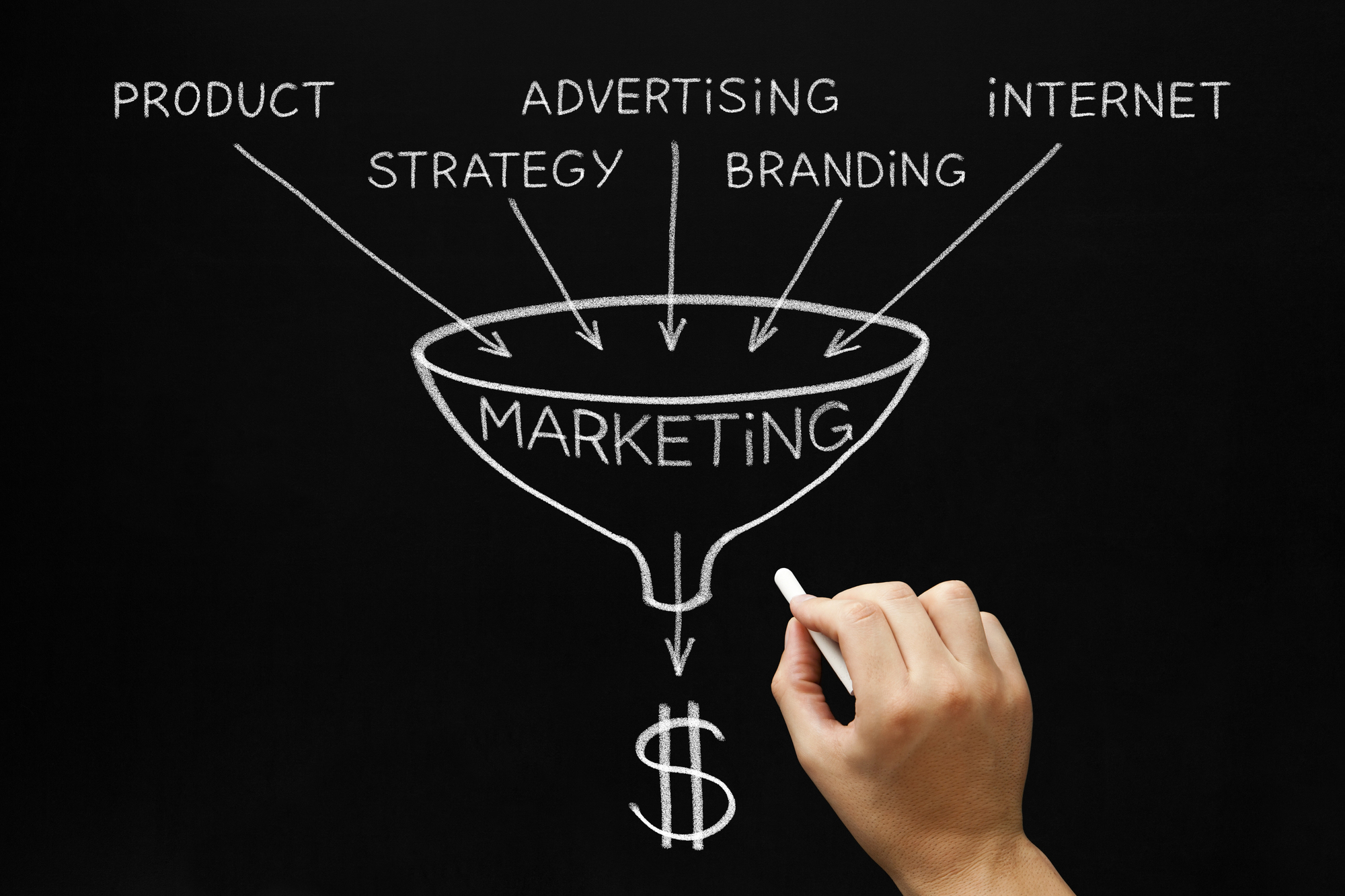
Thinking back to when I first started my entrepreneurial journey; I often struggled to connect with my audience effectively. Little did I know that mastering the art of sales funnels would become my secret weapon for growth. In 2025, as markets evolve, understanding and leveraging sales funnels will be essential for any business looking to stay ahead.Understanding Sales FunnelsSales funnels are essential tools in the world of marketing. But what exactly are they? In simple terms, a sales funnel is a model that illustrates the journey potential customers take from first learning about a product or service to making a purchase. Think of it as a pathway that guides them through various stages of decision-making. This pathway is crucial for businesses aiming to convert leads into loyal customers.What is the Purpose of Sales Funnels?The primary purpose of a sales funnel is to streamline the buying process. It helps businesses identify where customers are in their journey and tailor their marketing efforts accordingly. By understanding this journey, we can effectively nurture leads and guide them toward making a purchase.Awareness: At this stage, potential customers become aware of a problem or need.Consideration: Here, they start researching solutions and comparing options.Decision: Finally, they decide on a product or service to purchase.Each stage requires different marketing strategies. For instance, in the awareness stage, informative content can attract attention. In contrast, during the decision stage, persuasive content can help seal the deal.How Sales Funnels Guide Customer JourneysSales funnels are not just about pushing customers to buy. They are about guiding them through a journey. Imagine walking through a maze. Without a map, you might get lost. Similarly, without a sales funnel, customers can feel overwhelmed by choices and information.By clearly defining each stage of the funnel, we can provide targeted content that resonates with the customer’s needs. This tailored approach increases the likelihood of conversion. It’s like having a personal guide who knows the best path to take.The Importance of Sales Funnels in Modern MarketingIn today’s competitive landscape, understanding sales funnels is more critical than ever. A staggering 64% of marketers believe that defining sales funnels improves their overall strategy. This statistic highlights the importance of having a structured approach to customer engagement.Moreover, sales funnel conversion rates can vary significantly. Depending on the industry, these rates can range from 1% to 10%. This variance underscores the need for businesses to optimise their funnels continually. By analysing data and adjusting strategies, we can improve efficiency and effectiveness.Buyer Psychology in Funnel DesignUnderstanding buyer psychology is key to designing effective sales funnels. People don’t just buy products; they buy solutions to their problems. Therefore, we must consider their emotions and motivations at each stage of the funnel.For example, during the awareness stage, potential customers may feel confused or uncertain. Providing clear, informative content can help alleviate these feelings. As they move to the consideration stage, they might feel overwhelmed by options. Here, comparisons and testimonials can guide their decision-making process.Finally, at the decision stage, customers may experience anxiety about making the wrong choice. Offering guarantees or limited-time offers can help ease their concerns and encourage them to take action.In conclusion, sales funnels play a critical role in guiding potential customers through their buying journey. They help businesses improve conversion rates and customer retention. By understanding the stages of the customer journey and leveraging buyer psychology, we can create effective funnels that drive results.In the fast-paced world of marketing, having a well-defined sales funnel is not just an option; it’s a necessity. It’s the difference between a confused customer and a satisfied buyer. So, let’s embrace the power of sales funnels and transform our marketing strategies for success.Top 10 Types of Sales FunnelsSales funnels are essential tools for any business looking to grow. They guide potential customers through a journey, from awareness to purchase. But not all funnels are created equal. In this section, I’ll explore the top ten types of sales funnels, providing insights into how they work, who they’re best for, and best practices to optimise them.1. Lead Generation FunnelThe lead generation funnel is designed to capture potential customers' information. It’s often the first step in the sales process. Typically, it includes a landing page with an enticing offer, such as a free ebook or a discount. By providing their email address, visitors can access the offer.On average, lead generation funnels have a 5% conversion rate. This means that for every 100 visitors, about five will provide their information. To improve this rate, consider using ThriveHub’s tools. They allow you to create engaging landing pages with drag-and-drop features, making it easy to design a funnel that converts.2. Webinar FunnelWebinars are an effective way to engage with your audience. A webinar funnel typically involves promoting a live or recorded webinar that provides valuable information. Attendees often register in advance, giving you their contact details.Interestingly, webinars yield 20% higher conversions than standard funnels. This is because they build trust and authority. If you’re considering this funnel type, use ThriveHub to automate your email reminders and follow-ups, ensuring that your attendees stay engaged.3. Product Launch FunnelProduct launch funnels are designed to create buzz around a new product. They often include a series of pre-launch content, such as videos or blog posts, leading up to the launch date. This builds anticipation and excitement.Best practices include offering exclusive early access or bonuses for those who purchase during the launch. ThriveHub can help you manage the entire process, from content creation to sales tracking.4. Tripwire FunnelA tripwire funnel is a low-cost offer designed to convert leads into paying customers. Once a lead is captured, you present them with a small, irresistible offer. This could be a product or service at a significantly reduced price.Once they make a purchase, you can upsell them to higher-priced items. This funnel works well because it lowers the barrier to entry. With ThriveHub, you can easily set up automated upsell sequences to maximise your revenue.5. Application FunnelApplication funnels are ideal for high-ticket items or services. Instead of a direct purchase, potential customers fill out an application form to qualify for a consultation or a demo. This creates a sense of exclusivity.Best practices include asking qualifying questions to ensure you attract the right leads. ThriveHub’s CRM tools can help you manage these applications and follow up effectively.6. eCommerce FunneleCommerce funnels are designed for online stores. They guide customers from product discovery to checkout. A typical eCommerce funnel includes product pages, cart pages, and checkout pages.On average, eCommerce funnels convert at 7%. To improve this rate, consider using ThriveHub’s eCommerce tools to optimise your product pages and streamline the checkout process.7. Survey FunnelSurvey funnels are a unique way to gather information from your audience. They typically start with a survey that leads to personalised recommendations based on the responses. This not only engages users but also provides valuable insights.Best practices include keeping surveys short and relevant. ThriveHub can help you create engaging surveys that integrate seamlessly with your other funnels.8. Membership FunnelMembership funnels are designed to create a community around your brand. They often involve a subscription model where members pay for exclusive content or services. This type of funnel fosters loyalty and recurring revenue.To optimise this funnel, consider offering a free trial or a sneak peek of the content. ThriveHub’s community features can help you manage memberships and engage with your audience effectively.9. Affiliate/Referral FunnelAffiliate or referral funnels leverage your existing customers to bring in new leads. By incentivising current customers to refer others, you can expand your reach without significant marketing costs.Best practices include offering attractive rewards for referrals. ThriveHub can help you track referrals and manage payouts efficiently.10. Video Sales Letter FunnelVideo sales letters (VSLs) are powerful tools for storytelling. They combine video content with persuasive sales techniques. A well-crafted VSL can engage viewers and lead them to make a purchase.To create an effective VSL, focus on storytelling and emotional connection. ThriveHub’s tools can help you host and promote your videos seamlessly.The beauty of sales funnels lies in their flexibility to adapt to various business needs. - Funnel StrategistUnderstanding the nuances of different funnel types is essential to tailor your marketing strategy effectively. Each funnel has its strengths and weaknesses. By leveraging the right tools, like those offered by ThriveHub, we can optimise our funnels for better results.Harnessing ThriveHub for Funnel SuccessIn today's fast-paced digital world, businesses need to streamline their processes to stay ahead. One of the most effective ways to do this is through sales funnels. But what if I told you there’s a tool that can simplify this entire process? Enter ThriveHub. This platform not only helps in creating funnels but also manages them efficiently. Let’s explore how ThriveHub can be your secret weapon for funnel success.How ThriveHub Streamlines Funnel Creation and ManagementCreating a sales funnel can be daunting. There are numerous steps involved, from attracting leads to converting them into customers. Fortunately, ThriveHub offers a drag-and-drop funnel builder that makes this process a breeze. You don’t need to be a tech wizard to create a stunning funnel. Just drag the elements you need, drop them into place, and voilà! Your funnel is ready.But it’s not just about building funnels. ThriveHub also provides automation features that save you time. Imagine sending follow-up emails automatically or segmenting your audience based on their behaviour. This means you can focus on other important aspects of your business while ThriveHub takes care of the repetitive tasks.Success Stories of Businesses Using ThriveHub's FeaturesMany businesses have already reaped the benefits of using ThriveHub. For instance, one successful entrepreneur shared,With ThriveHub, we transformed our customer acquisition process overnight!This is not just an isolated case. Numerous companies have reported a staggering 30% increase in leads after implementing ThriveHub's features.These success stories are not just numbers; they represent real people and real businesses that have transformed their operations. Whether you’re a small startup or a large enterprise, ThriveHub can cater to your needs.Tips for Maximising ThriveHub's Full PotentialTo truly harness the power of ThriveHub, consider these tips:Utilise the Community Resources: ThriveHub has a vibrant community. Engage with other users, share experiences, and learn from their successes.Explore Automation Features: Don’t just set it and forget it. Regularly review your automation settings to ensure they align with your current business goals.Test and Optimise: Use A/B testing to find out what works best for your audience. ThriveHub allows you to easily make adjustments based on data.By following these tips, you can unlock the full potential of ThriveHub and take your funnel management to the next level.Understanding ThriveHub's ToolsThriveHub isn’t just about funnels; it’s a comprehensive growth platform. It includes customer relationship management (CRM) tools that help you maintain relationships with your leads. This is crucial because a good relationship often leads to conversions. With ThriveHub, you can track interactions, manage contacts, and even analyse customer behaviour.Moreover, the community resources available for users are invaluable. From tutorials to forums, you can find answers to your questions and connect with like-minded individuals. This support can make a significant difference in your learning curve.Final ThoughtsIn conclusion, ThriveHub is more than just a tool; it’s a game-changer for businesses looking to enhance their funnel strategies. With its user-friendly features, automation capabilities, and supportive community, it empowers you to create effective funnels that drive growth. If you’re ready to take your business to the next level, I encourage you to explore ThriveHub’s free trial. You might just find the solution you’ve been searching for.TL;DR: Sales funnels are vital for business success in 2025. By understanding the different types, including lead generation and product launches, and using tools like ThriveHub, businesses can significantly enhance their marketing effectiveness and growth potential.Book a Free Consultation
10 Minutes Read